
Enterprise Development & Programmes
Turn support into progress.
We help businesses, organisations and programme owners move from ideas, plans and workshops into implementation, with support and monitoring along the way.
Support should not stop at the workshop.
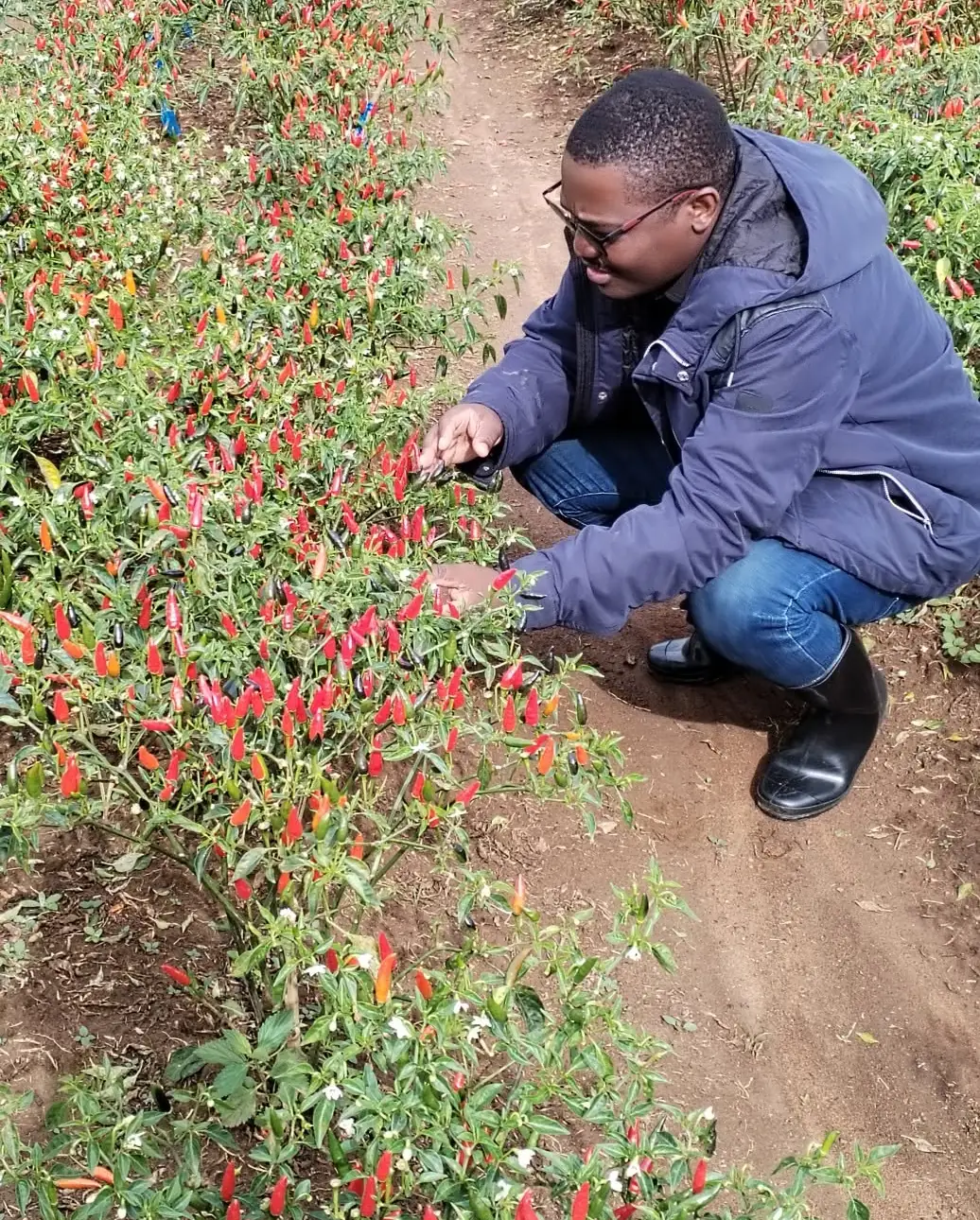
Starting is only the first step.
A registration does not create a functioning business. A constitution does not create a functioning organisation. We help turn support into action, implementation, progress and evidence.
- 01A business is registered, but does not know how to operate.
- 02An entrepreneur finishes training, but still struggles with customers, records or pricing.
- 03An NGO receives funding, but still needs governance, reporting and operations.
- 04A corporate funds a programme, but never learns whether participants progressed.
Direct support, or programme delivery.
Direct support
For a business, entrepreneur, NGO or organisation that needs practical help: priorities, operations, readiness, systems, governance, ongoing support and progress monitoring.
Programme delivery
For corporates, funders, government and NGOs that need to support ten businesses, fifty entrepreneurs or a whole cohort. We help design, implement, support and monitor the programme.
The 90-day development cycle
Think long term.
Work in practical cycles.
Understand the current position, choose a small number of priorities, implement them, support the work and measure progress. Then the next cycle takes the next priorities.
It is a structure for progress, not a promise that every problem is solved in 90 days.
Ready to work on your next 90 days?
- 01
Understand
Where is the business now, and what is the immediate priority?
- 02
Plan
A small number of practical objectives.
- 03
Implement
Put the agreed actions into practice.
- 04
Support
Practical help as questions and problems arise.
- 05
Measure
What changed, and what should the next cycle address?
What support can include
Different businesses need different things.
Business foundations
Sales and customers
Money in and out
Operations and digital capability
Readiness
Governance and compliance
Ongoing support, not one-off advice.
For suitable SMEs and organisations: a baseline, a 90-day plan, practical tools, regular group support, progress monitoring, limited one-to-one support, referrals where specialists are needed, and a 90-day review. The objective is to help you do the work, not just receive advice.
Support Credits: more help when you need it.
Reviewing a document, working through a process, help with a system, a practical business question, extra one-to-one time.
1 Support Credit = 30 minutes of NI support.
MembershipSupport CreditsProject
Attendance is not the same as progress.
“100 people attended training” does not say whether anyone implemented anything, gained customers or became ready for an opportunity. So monitoring is part of the programme, not an afterthought.
Measure what changed.
Progress tracked at business, participant or organisational level, so the programme owner can see whether the intervention is working.
ProblemInterventionSupportResult
Depending on the programme:
- baseline information
- agreed goals
- support provided
- progress updates
- evidence
- outcome indicators
- 30 / 60 / 90-day reviews
- programme reporting
Good programmes need good systems too: onboarding, records, attendance, support notes and reporting, on spreadsheets, forms or a simple CRM. Start simple. Add systems only when the programme needs them.
Being good is not always enough. You also need to be ready.
Supplier opportunities, funding, tenders, procurement, partnerships. Readiness means documentation, a business profile, pricing, records, compliance and capacity. It does not guarantee funding or contracts. It makes you better prepared.
Support should build capability, not dependence.
A business should not only function while the programme runs. Over time participants make their own decisions, use their own systems, manage their own customers and records. Our role reduces as capability grows.
NPO & Social Enterprise Incubation.
Within this capability: stronger systems, governance and operations for NPOs, NPCs, community organisations and social enterprises.
Explore the incubation modelWays to engage
From one business to a whole programme.
For corporates, funders and foundations, government and municipalities, NGOs and employers.
Business support cycle
Structured support for one business or organisation.
Cohort programme
A defined group over an agreed period.
Incubation programme
Learning, implementation and monitoring combined.
Opportunity readiness programme
Preparing for a defined market, supplier, funding or growth opportunity.
Programme implementation partner
Operational delivery of a funded programme.
Monitoring and impact support
Tracking progress and reporting on outcomes.
Participants often also need Digital Operations, NIBS learning or Governance, Risk & Compliance. The model is designed as one connected system of support.
Support should lead to progress
Tell us what you are trying to achieve.
One business or a programme for hundreds of participants: start by telling us what you want to change.
No presentation required. Just bring the problem.