
NPO & Social Enterprise Incubation
Build a stronger organisation behind the mission.
For NPOs, NPCs, community organisations and social enterprises that need stronger systems, governance and operations to deliver their work properly and grow.
Good intentions need good organisations behind them.
A mission is not enough on its own.
Most organisations start because someone sees a real problem. The challenge is rarely the mission. It is building the organisation behind it.
As it grows, it also has to manage:
- governance
- finances
- programmes
- people
- information
- compliance
- funders and reporting
- evidence
Who this is for
Different stages. Same need for a stronger foundation.
New NPOs and NPCs
Registered, but still building operational and governance foundations.
Community-based organisations
Valuable local work that needs structure, systems and readiness.
Established NPOs
Grown, and now needing stronger processes, reporting or digital operations.
Social enterprises
Mission-driven, and needing a sustainable business model too.
Funded cohorts
Corporates, foundations or government supporting several organisations at once.
Does any of this sound familiar?
- We registered the organisation, but we do not know what comes next.
- Everything depends on one person.
- Our board is not clear about its responsibilities.
- We are always looking for funding, but our organisation is not ready.
- We have policies, but nobody really follows them.
- We do good work, but we struggle to prove our impact.
These are not unusual problems. They are signs that the organisation needs stronger systems around the mission.
What we help strengthen
A practical organisational foundation.
Not paperwork for its own sake. Better organisational discipline.
- 01
Governance
Board and management roles, policies, registers and decision-making.
Who is responsible for what, and how does the organisation know it is being done?
- 02
Compliance and readiness
Compliance registers, organisational records, policy implementation, document control, POPIA awareness, funder readiness.
- 03
Financial administration
Basic financial discipline: income and expense records, budgets, supporting documents, grant expenditure. We are not an accounting practice; where accounting, assurance or audit is required, the right professionals should be involved.
- 04
Programme operations
Planning, participant onboarding, beneficiary records, attendance, evidence and reporting.
- 05
Monitoring and impact
Baselines, indicators, outcome tracking, 30 / 60 / 90-day reviews.
What did we do, who did we reach, and what changed?
- 06
Digital operations
Move important work off WhatsApp, paper and scattered spreadsheets into shared workspaces, digital forms, beneficiary tracking and simple CRM.
Start simple. Add systems only when the organisation needs them.
Funding readiness is bigger than a proposal.
Funders look at the organisation behind the idea: governance, programme design, budgets, policies, reporting, records and evidence of previous work. We help you strengthen those.
The promise is not “we will get you funding”. It is: we help you become better prepared for funding and partnership opportunities.
The 90-day NPO incubation cycle
Strengthen the organisation
in practical stages.
The goal is not perfection in 90 days. It is measurable progress, then the next cycle.
- Days 1–30
Understand
Governance, programmes, finances, systems, compliance and current challenges. Agree the priorities.
- Days 31–60
Implement
Policies, registers, processes, programme records, simple systems and monitoring tools go into place.
- Days 61–90
Operate and measure
Use the improvements in real work. Review what is being used, what evidence exists and what the next cycle should address.
Support should not create dependency.
Over time the organisation should run its own governance, records, programmes, reporting and decisions. Our role gets lighter as capability grows.
Some problems are skills problems.
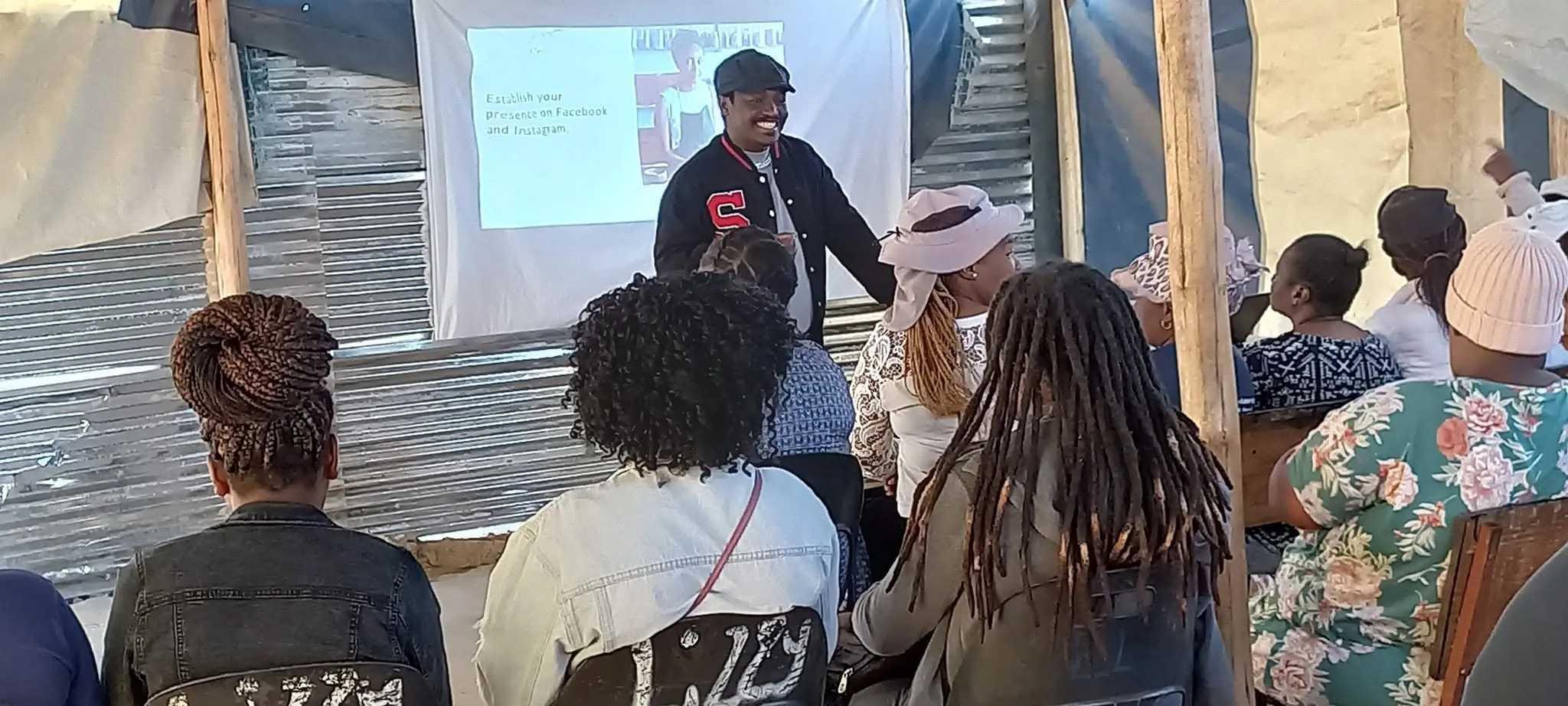
Through NIBS, incubation can include practical learning for board members, managers, administrators, programme staff and volunteers: governance, digital operations, reporting, compliance awareness.
For funders and programme sponsors
Support one organisation, or a whole cohort.
Corporates, foundations, government and donor programmes can use the same model across a group of NPOs or social enterprises, and see progress rather than attendance.
BaselineLearningImplementationSupportMonitoringEvidenceReporting
A planned Impact Dashboard will show sponsors how participating organisations are progressing: aggregated, non-sensitive results publicly, and access-controlled detail privately. Confidential organisational, beneficiary or personal information is never exposed without permission.
Ways to engage
From a readiness review to a funded cohort.
Support can focus on governance, funding, programme, digital, compliance or growth readiness, depending on the organisation.
90-day NPO incubation
A structured organisational-strengthening cycle.
NPO readiness review
Assess governance, programmes, systems and readiness.
Governance improvement programme
Strengthen structures, policies and responsibilities.
Funding readiness support
Improve the foundations before approaching funders.
Digital operations for NPOs
Systems, records, workflows and reporting.
NPO cohort programme
Several organisations through one funded programme.
Monitoring and impact support
Stronger evidence and reporting.
Your mission deserves a strong organisation behind it
Build the organisation behind the mission.
Growing, or struggling to move forward? Start with where you are now. We will help identify what needs strengthening and what should happen next.
No presentation required. Just bring the problem.